
Plays
Brothers, Mothers & Others
These three short plays came out fast. I wrote them between 1987 and 1989. Right in the middle of the crack era in New York City.
Crack hit my generation hard. We were the party kids. We liked fun. We liked to get high. But crack wasn’t fun. It didn’t play. It burned through whole blocks. Took friends with it. That’s the world these plays come from.
Two of the pieces, After the Marching Stopped and A Brother’s Kiss, live deep in that time.
I grew up in a mixed neighborhood. I was a white kid, but I didn’t roll with the white kids. I kicked it with the Black and Latino kids. I picked up the slang, the walk, the gear, and the dance moves. I tried to rock an afro. Badly. I told people I was half Puerto Rican.
That might sound wild now, but back then, it was my way of saying, “This is where I feel at home.”
I got to see things most white kids didn’t. The way families moved. The rhythm in the kitchen. The fights, the love, the grief.
That all found its way into my writing. Especially in The Blackeyed Brothers and After the Marching Stopped.
The Blackeyed Brothers was my first real play. First one I got produced. It won the Samuel French Short Play Award. It takes place at a summer camp in the early 70s. If you grew up in a working-class city block like mine, you’ll recognize the kids in it right away. They’ve been around forever. Mouthy, tough, and too smart for their own good.
They’re not just characters. They’re pieces of people I knew. And pieces of me, too.
The Writing on the wall
In fifth grade, we started messing with graffiti letters. The first one I learned was the Superman “S”. You know the one.
You needed a name. My first was Scorpio 94. That was 1973, so yeah, it was cool back then. Scorpio was my sign. 94 was my block. But there was already an older Scorpio in the neighborhood. When he found out, he pulled me aside and asked me to stop. I did.
After that, I started writing SET 94. In junior high, we’d sit for hours with black books and markers, working on our style. On the streets, we used PILOT markers or UNI-WIDES, filled with Flo-Master ink. Spray cans, too — stolen from wherever we could find them.
I followed graffiti like other kids followed baseball. I’d ride the 1 train just to catch new pieces by guys like CLIFF 159 or MOSES 147. I actually knew Moses’s brother, PATCH. These writers were my heroes. They didn’t have faces. Just names, everywhere.
There was a graffiti workshop in my neighborhood — NOGA, Nation of Graffiti Artists. That’s where I met some of them. It felt like meeting rock stars. My throat would close up. I couldn’t speak.
Back in eighth grade, I had a class with a kid who wrote graffiti under the name SE 3. He was seriously good. I wrote the name SET, and since our tags were kind of close, he started drawing designs for me. I wasn’t awful, but I wasn’t great either. Honestly, I was more of a fan than a real graffiti writer.
By high school, I began to care more about girls, disco, and basketball. The graffiti bug faded. But the respect stayed. Still does. The guys who really did it — and still do it — put in work. And took big risks to get their names up.
The Writing on the Wall was my first play. I finished the first draft in 1985. I wanted to write about a family kind of like mine, but not exactly. I also wanted to understand why we risked so much to tag a wall.
To me, it was the first play about graffiti. One of the first to touch on hip-hop, period. New Line bought the film rights. They still haven’t made it. But the play is finally published — and it’s here.
Handball
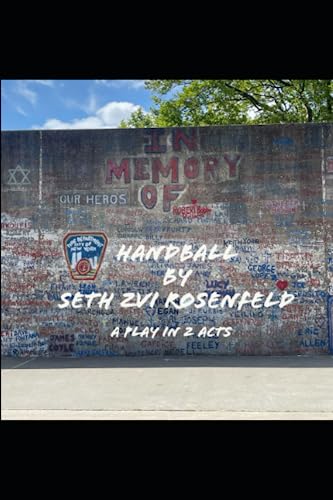
Handball Park is set on a heavy summer night in 2005, in a New York City that’s shifting fast. Nine people cross paths at a neighborhood handball court. Some know each other, some don’t, but the court connects them. It’s one of the last places that still feels real. Around them, gentrification is moving in. Prices are rising, old neighbors are disappearing, and no one wants to say what’s really happening. People come to play, talk, love, and escape. But pressure brings things to the surface. Truths get told that maybe should’ve stayed buried. Not everyone walks away the same.

Everythings Turning into Beautiful
Everythings Turning into Beautiful happens late on Christmas Eve in a quiet, lonely New York City. Two old friends, Sam and Brenda, are stuck. They’re writers who haven’t had a hit, and they’re both feeling the weight of getting older. They sit down to write music and to think about where they are in life. They don’t want to mess up their friendship or the work they do together. But when Sam shows up at Brenda’s door wanting more than friendship, everything changes. Their bond gets tested in ways they didn’t expect.
The Flatted Fifth
The Flatted Fifth is about Sonny, a young Jewish filmmaker trying to find himself. He’s dealt with street fights and time in jail. When he meets up again with his old friend Ray Diaz, a Puerto Rican poet in rehab, things get intense fast. Along with their girlfriends — an African American kids’ book author and an English-African trumpet player — they all take a trip to Israel. It’s not your usual vacation. They face tough soldiers, strange guides, a wild talk show host, a Hebrew hip hop bartender, and the heavy history of places like Masada and the Wailing Wall. But the real journey is inside, where they all meet parts of themselves they didn’t expect. That trip changes them in ways they won’t forget.
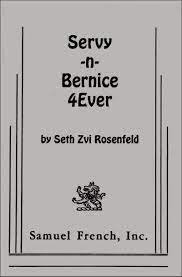
Servy -n- Bernice 4Ever
Bernice is a young Black model in Boston who’s worked hard to leave her past behind. After a violent fight with an ex, she reaches out for help to someone she hasn’t seen in years—Servy, a white kid from the projects in New York where they grew up. Servy just got out of prison and broke parole to come to her side. He brings along his friend Scotty, who ends up having a fling with Bernice’s white roommate, Caria. Bernice and Servy want to find the kind of love they first knew, but their past mistakes and Servy’s criminal record get in the way. When they return to New York, they’re forced to face the demons they’ve been running from.